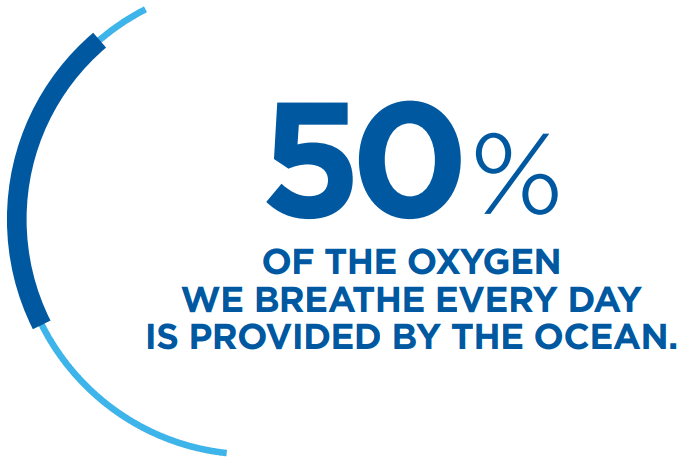
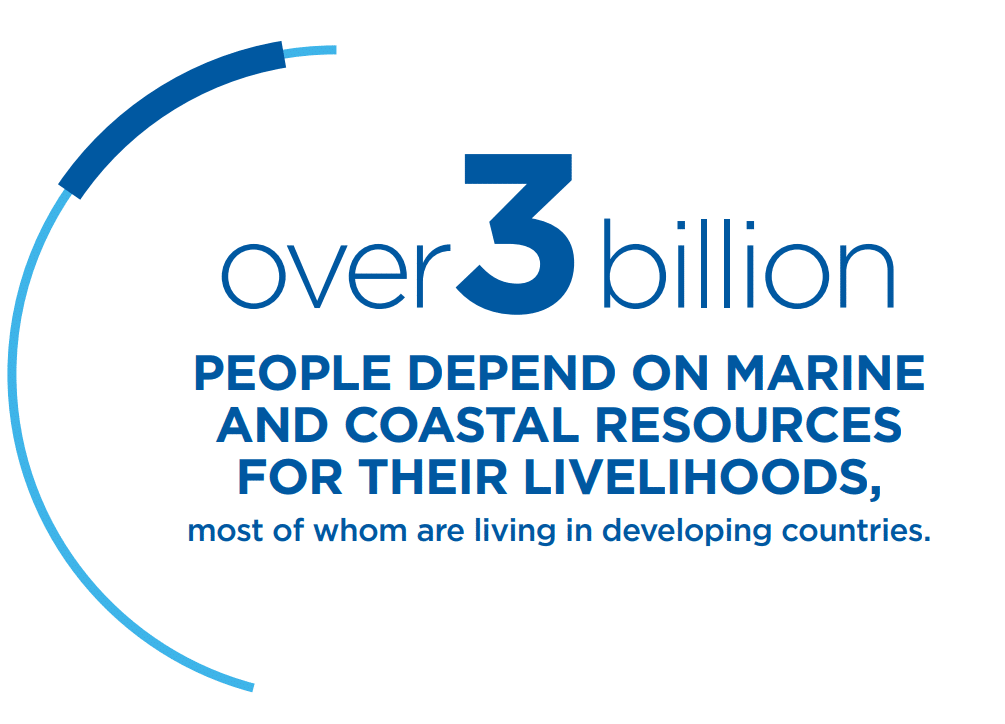
The ocean plays a vital role in regulating the climate and supporting life on our planet. It provides water, food, oxygen, jobs… As ocean health is changing rapidly due to climate change, we must manage our many uses of its bounty far more sustainably.
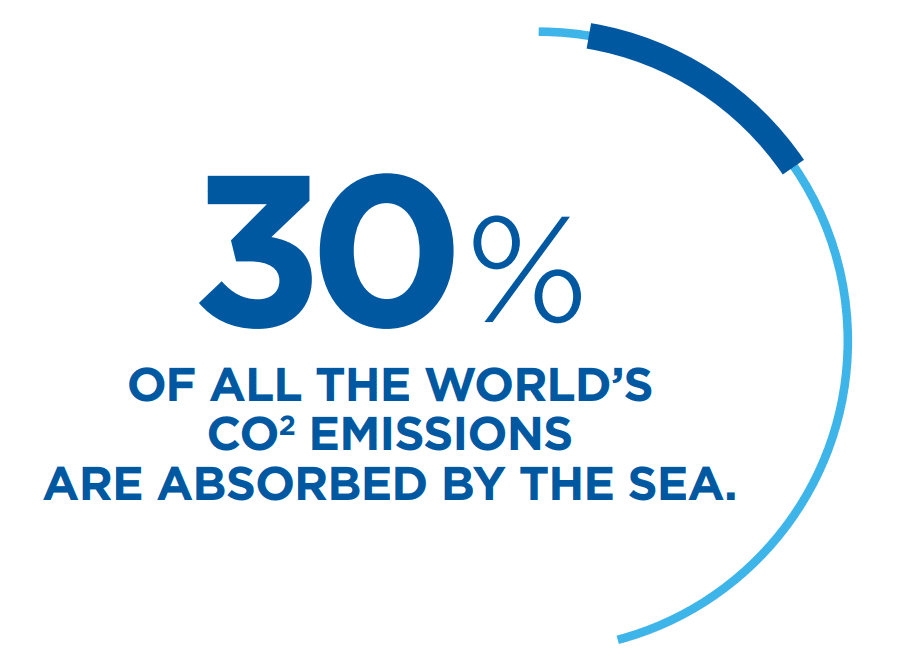
It is urgent to reverse the trend in carbon emissions. As human-driven carbon dioxide levels rise, more CO2 dissolves into the ocean, triggering a chemical reaction that increases acidity over time. This, in turn, alters marine life at its core, starting with animals at the base of the food chain such as plankton and corals.
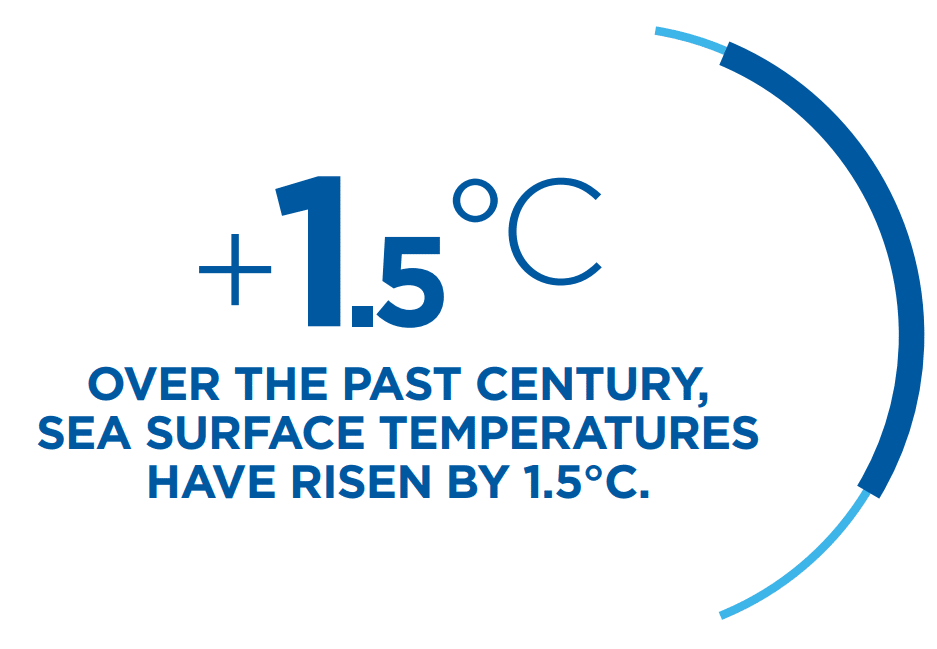
Oceans are also highly sensitive to even small changes in temperature. Rising sea temperatures lead to the proliferation of harmful algae, coral bleaching, the displacement of marine species, and the acceleration of extreme weather events such as storms and hurricanes.
Did you know?
One in five coral reefs is already damaged beyond repair.
Did you know?
Some seafloor ecosystems are so remote and inaccessible that we know less about them than we do about the surface of Mars.
PRESERVING
MARINE ECOSYSTEMS
FROM OVERFISHING
AND DEEP-SEA MINING
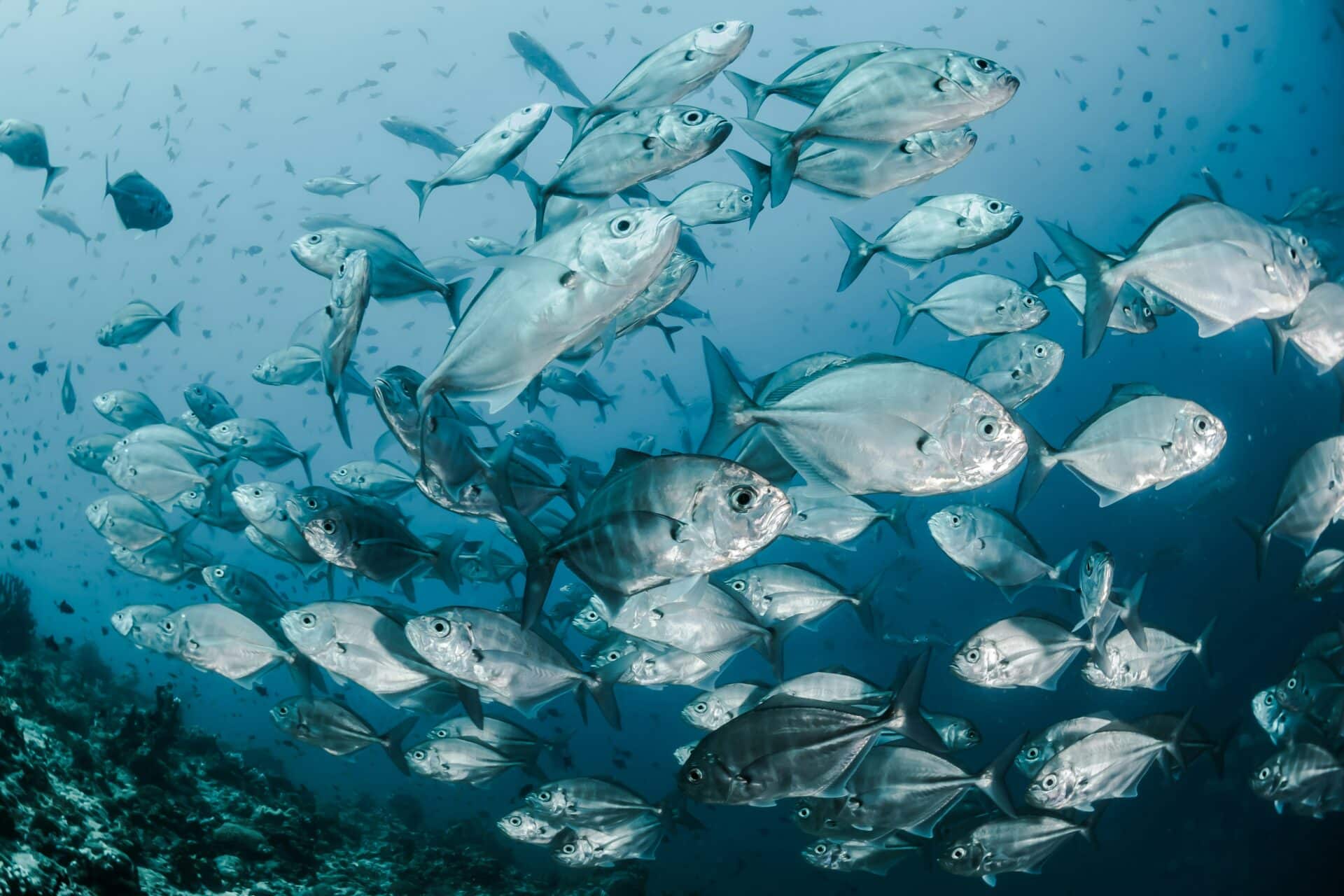
Unregulated fishing practices, including illegal, unreported, and unregulated (IUU) fishing, have depleted fish stocks and disrupted marine food chains. It’s estimated that 90% of the world’s fisheries are either fully exploited or overexploited. The deployment of Marine Protected Areas as well as the protection and restoration of habitats (coral reefs, seagrass,…) are key.
Deep-sea mining is also a new threat for marine ecosystems: as demand for minerals such as cobalt, manganese, and rare earth metals increases, mining companies are turning to the deep sea to extract these resources.
PREVENTING PLASTIC
& CHEMICAL POLLUTION
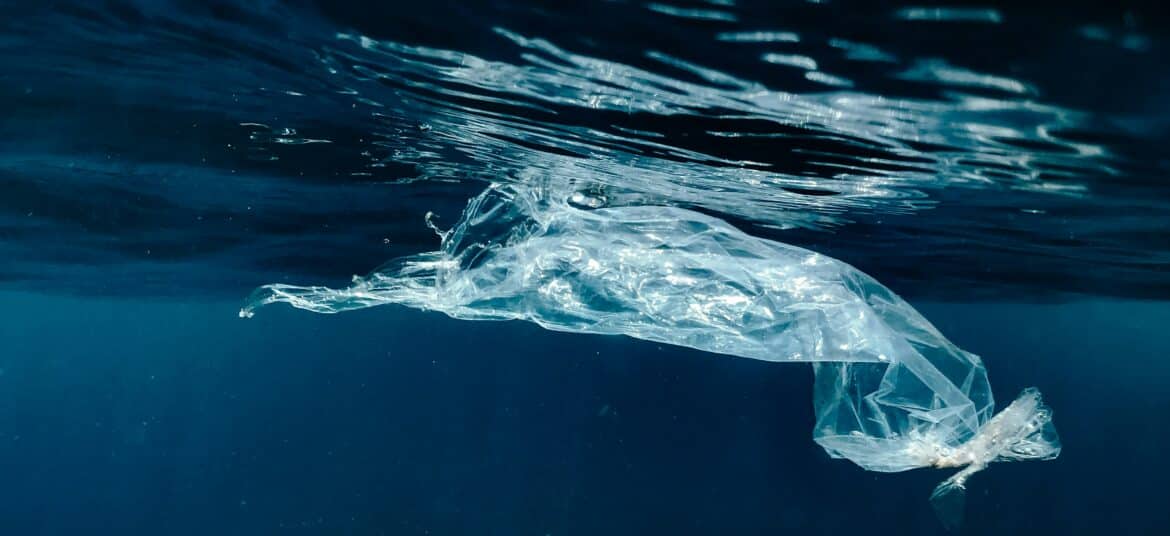
Every year, millions of tonsof plastic waste enter the ocean, harming marine life and ecosystems. By 2050, there could be more plastic than fish in the ocean by weight if current trends continue.
Additionally, chemical pollutants from agricultural runoff, industrial discharge, oil spills and illegal discharges from ships pose serious threats to marine biodiversity and human health.
Discover one of the 2026 conferences about Ocean and Water
Protecting the Ocean, From the Coast to the High Seas
From coastlines to the high seas, the ocean is under unprecedented pressure. This session brings marine protected areas and community-led conservation models into focus, uncovers the realities of funding and implementation, and spotlights a historic moment for ocean conservation: the entry into force of the BBNJ Treaty and the first Ocean COP.