
MENU
CLOSE
ChangeNOW Summit
ChangeNOW EVENTS
About
Our impact

How to address the challenges of inclusion?
216 million
CLIMATE MIGRANTS PROJECTED
BY 2050 BY THE WORLD BANK
Climate-related disasters caused over half of new displacements since 2022
91%
OF BLACK INDIVIDUALS
IN MAINLAND FRANCE FACE DISCRIMINATION.
–25%
WOMEN STILL EARN 25%
LESS THAN MEN ON AVERAGE
IN THE WORLD.
Inclusive Sustainability: Empowering Every Voice for Positive Change.
The transition to sustainability cannot be achieved without ensuring social justice and inclusion. In the face of climate change, we must collectively invent new ways of living with nature and redefine our values. How can we ensure that no one is left behind and use environmental challenges as an opportunity to build a more inclusive society?
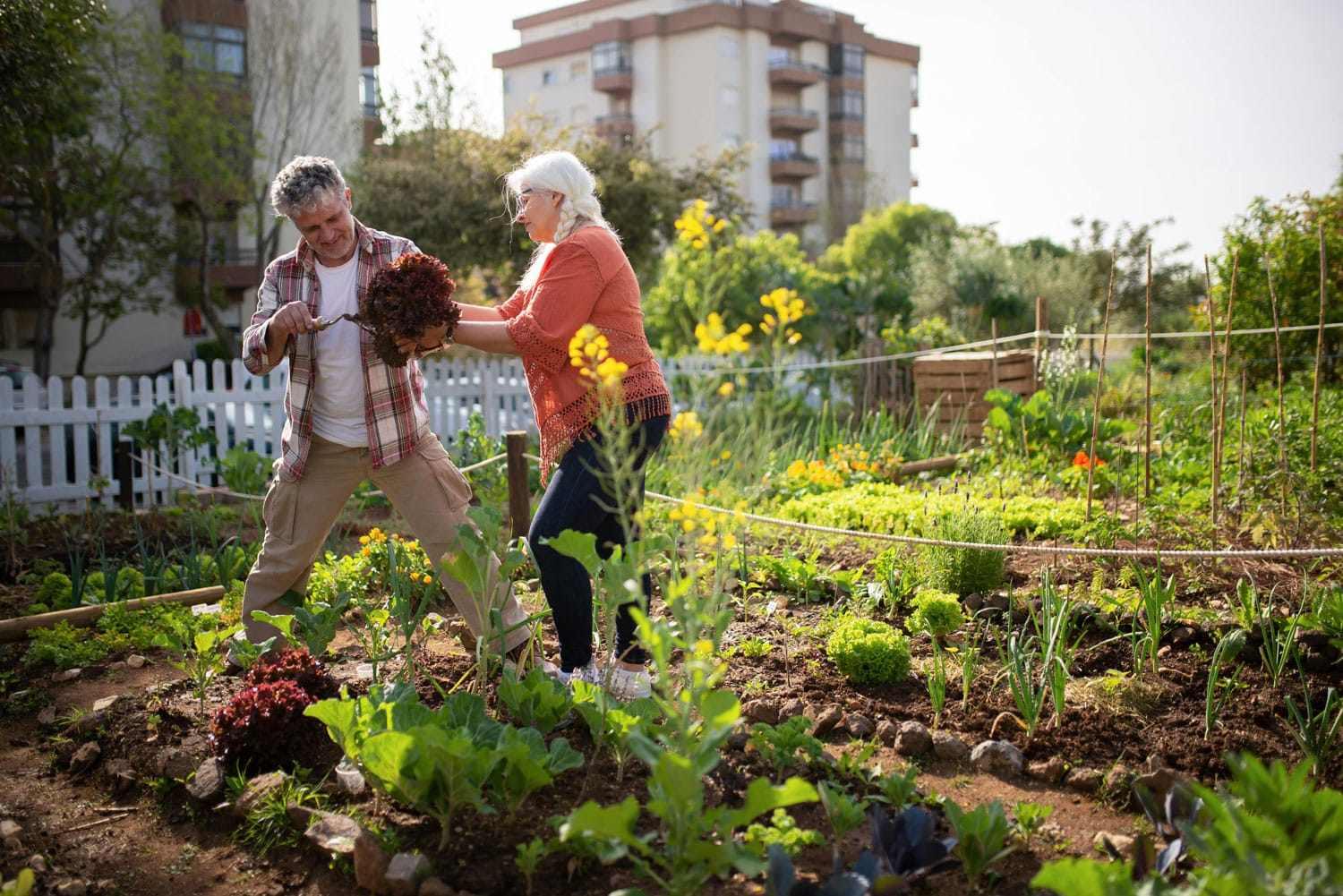
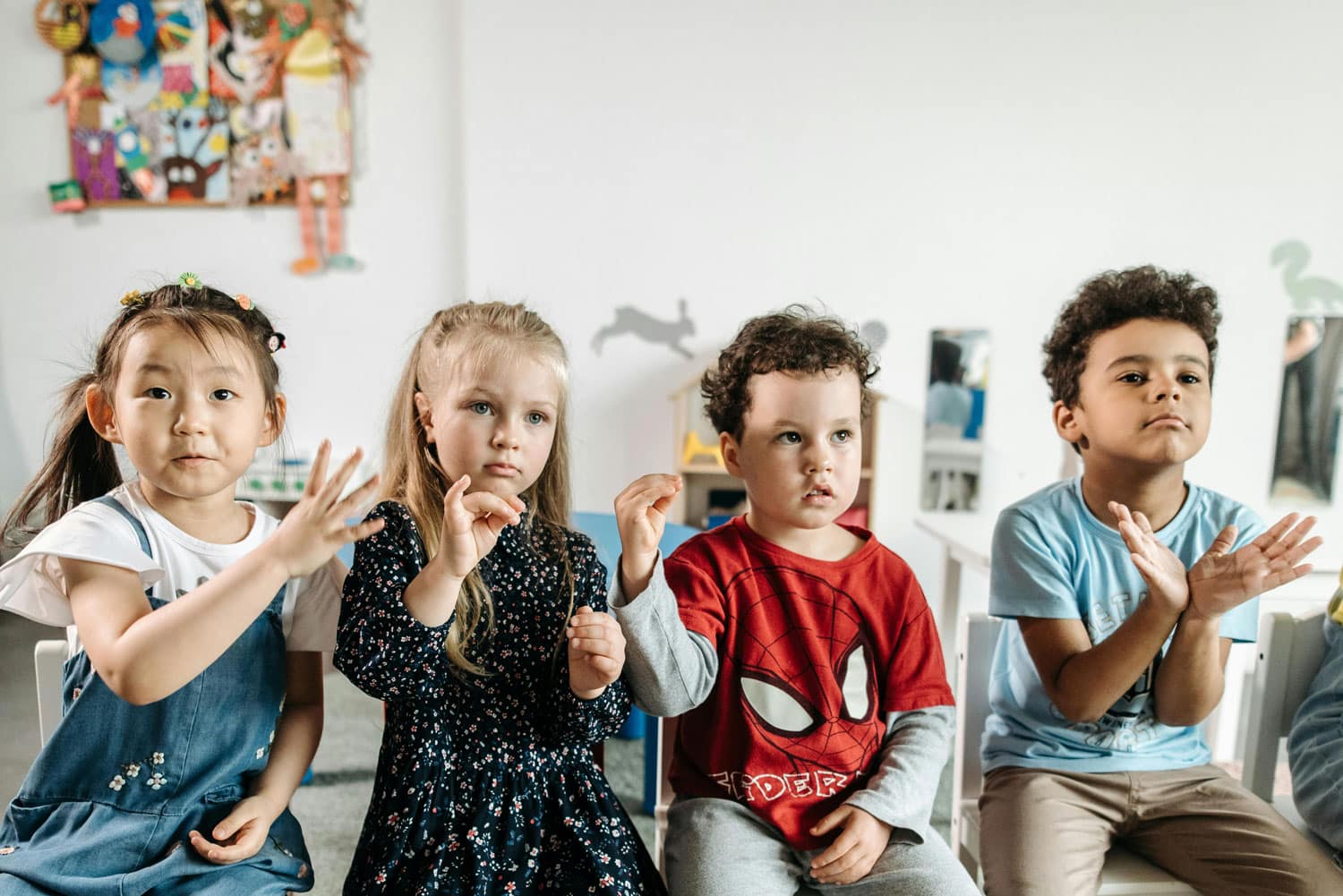
Educating and raising awarness about inclusion
Acting on all mechanisms of exclusion for all relevant groups and improving inclusion awareness. Exclusion a ects diverse groups in society, such as:
- Immigrants facing cultural hurdles.
- Seniors experiencing isolation.
- Persons with disabilities who often encounter physical and social barriers, hindering full participation.
- Social origin and gender can also influence educational and professional opportunities, contributing to exclusion.
- Economic disparities marginalize those with lower incomes, posing challenges in areas like healthcare and education.
These inequalities are not always visible and must be handled with care. In the educational domain, ensuring inclusion means adjusting pedagogical methods, providing adapted resources, and promoting inclusive education from a young age.
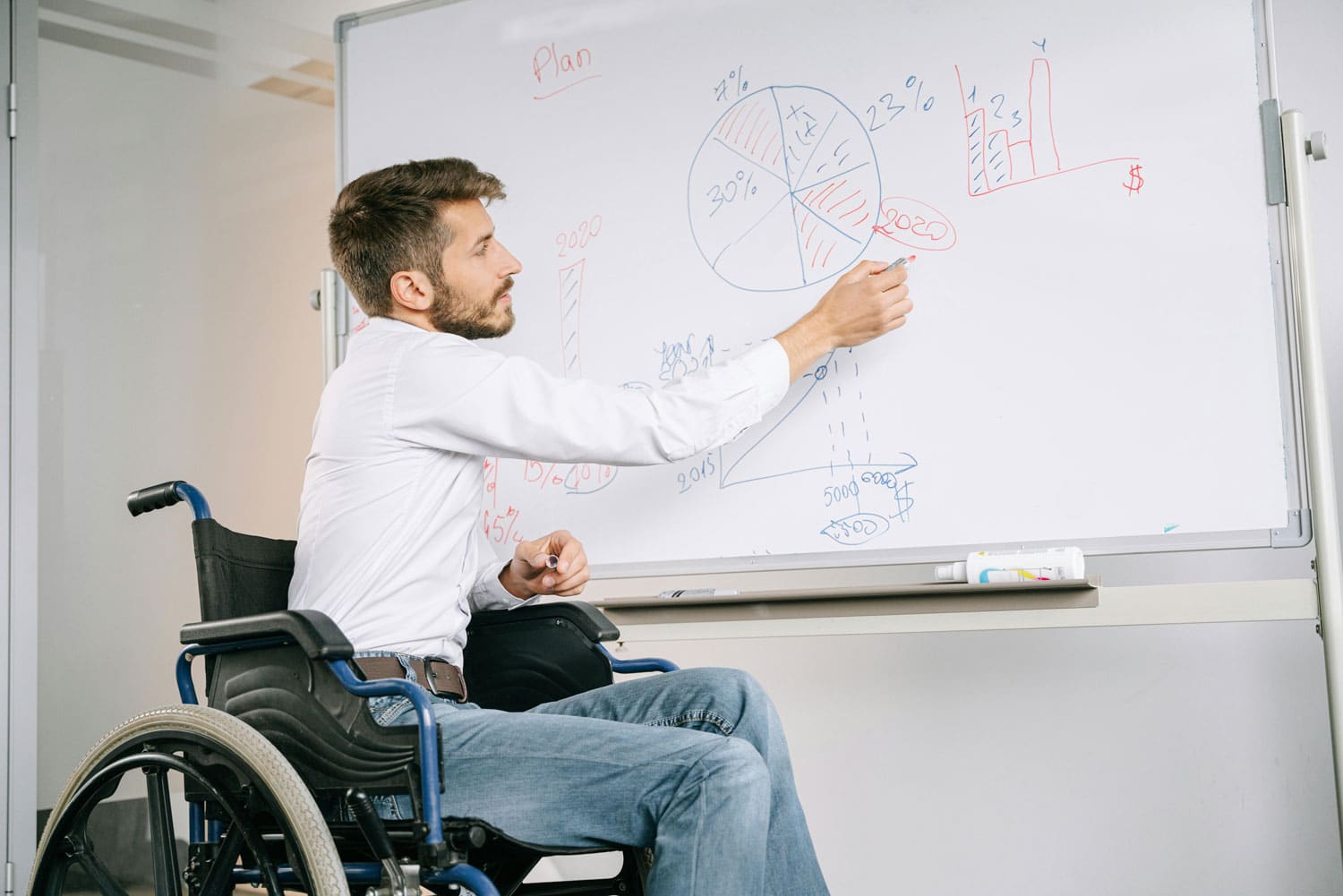
Enacting laws to promote inclusion
Changing the regulatory ground rules. Laws can significantly impact social inclusion by:
- Establishing non-discrimination norms.
- Ensuring equitable access to resources and opportunities.
- Protecting the rights of marginalized groups.
- And promoting diversity.
In France, laws such as the 2005 Disability Equality Law or the 2014 Law for Real Equality between Women and Men promote inclusion and equal opportunities for all. However, numerous inequalities persist, and even grow. How will laws and societies address this challenges?

Promoting equal opportunities
Supporting inclusion in all areas involves:
- Adapting infrastructures through accessibility for everyone.
- Addressing physical, linguistic, and auditory needs.
- Measures such as employment assistance, positive discrimination, and support for integration structures on a professional level.
- Leisure activities, that can be the most e ective vehicle for the inclusion of individuals, whether through sports, culture, cooking, and more.
So let’s champion diversity and inclusion with the creative spark of innovation!
Did you know?
In France, there are 12 million people with disabilities, accounting for 17,6% of the population! Among them, more than 9 million have an invisible disability.
According to the International Labour Organization (ILO), women globaly spend nearly three times more time on unpaid domestic work than men.
In the United States, according to the American Civil Liberties Union (ACLU), African Americans are about five times more likely to be incarcerated than white individuals, despite similar crime rates.
Discover one of the 2026 conferences about Inclusion
Inclusion as a Business & Societal Imperative
Barriers, whether physical, financial, systemic, or educational, limit access to opportunity. This session explores how forward-thinking organizations and initiatives identify and remove these barriers by creating inclusive products, services, and communities that reflect the diversity of the people they serve. By amplifying and including diverse voices, organizations and movements can unlock innovation, strengthen social cohesion, and generate lasting value for individuals, communities, and society as a whole.