MENU
CLOSE
Summit
Other events
Publications
About
MOBILITY
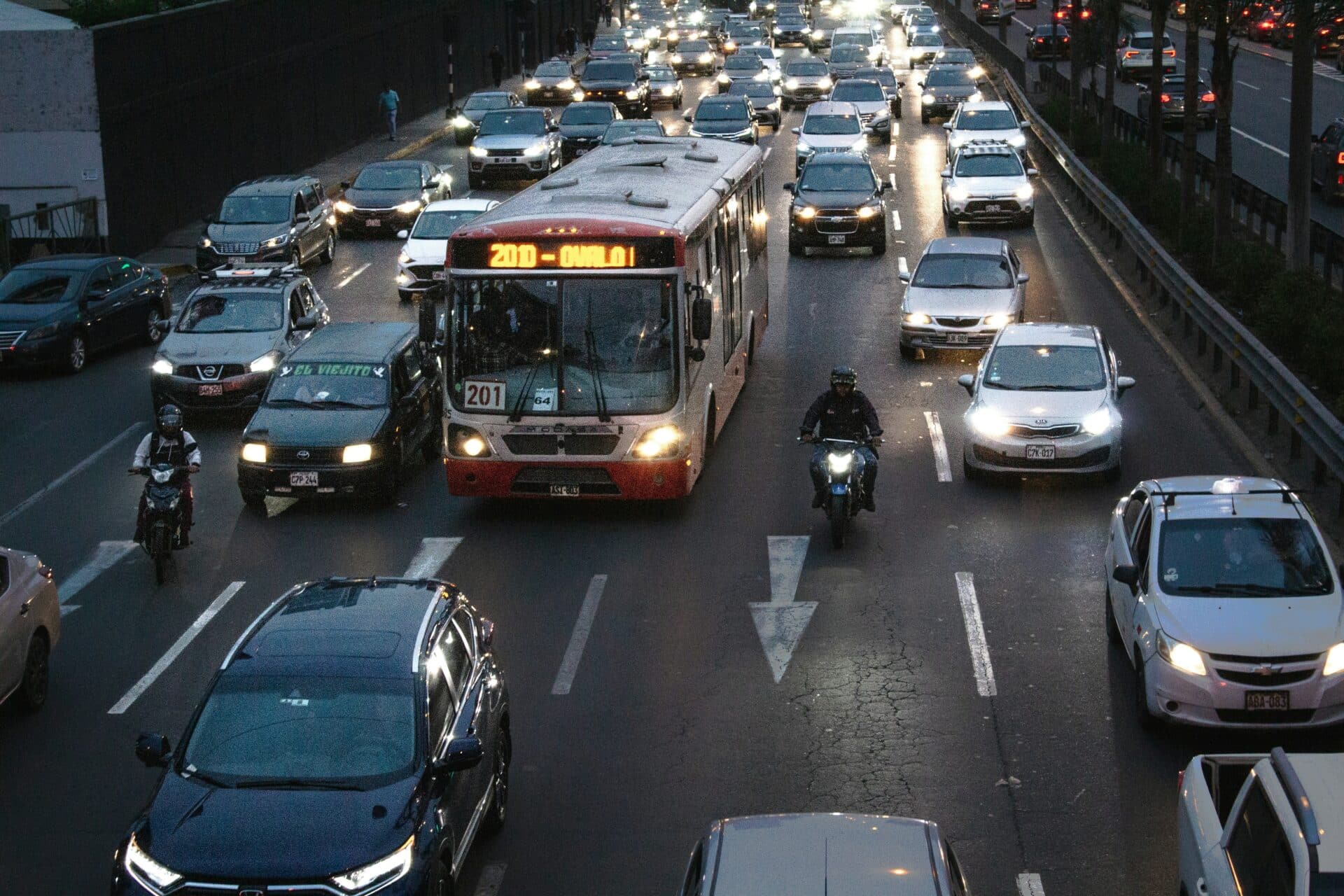
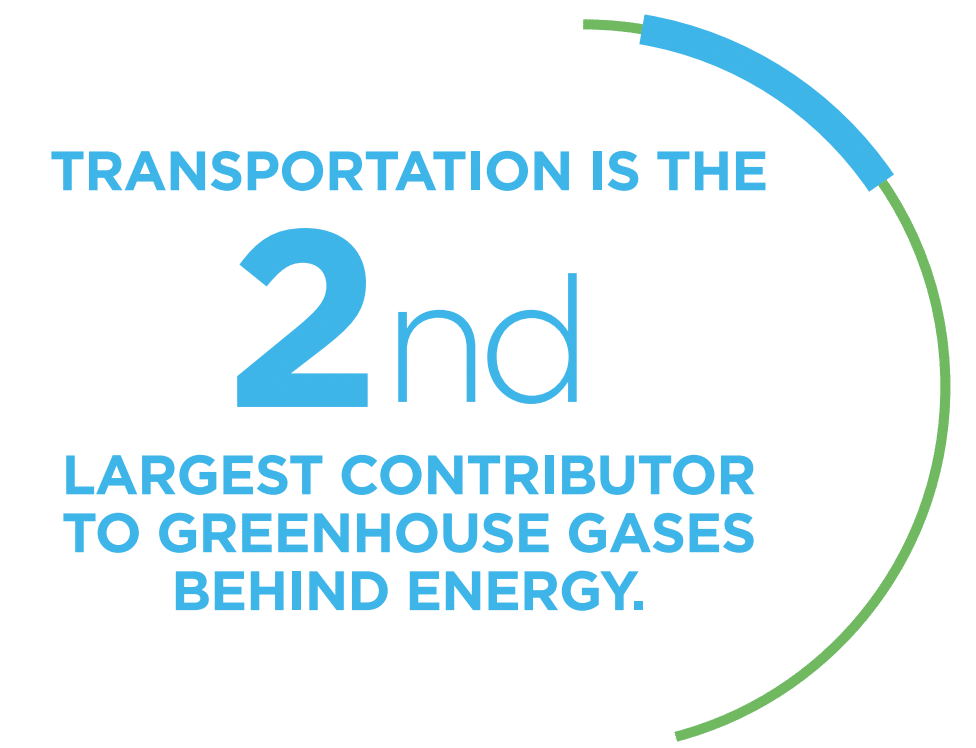
In the wake of climate change, air pollution, and heavy oil dependance, transportation, which includes passenger and freight traffic, has to go through a radical transformation.

How to address the challenges of MOBILITY?
While technological advancements, such as electrification, hold promise, they are not sufficient. True sustainability hinges on embracing both innovation and a genuine commitment to sufficiency policies, while addressing social inequalities.
LOWERING TRANSPORT DEMAND
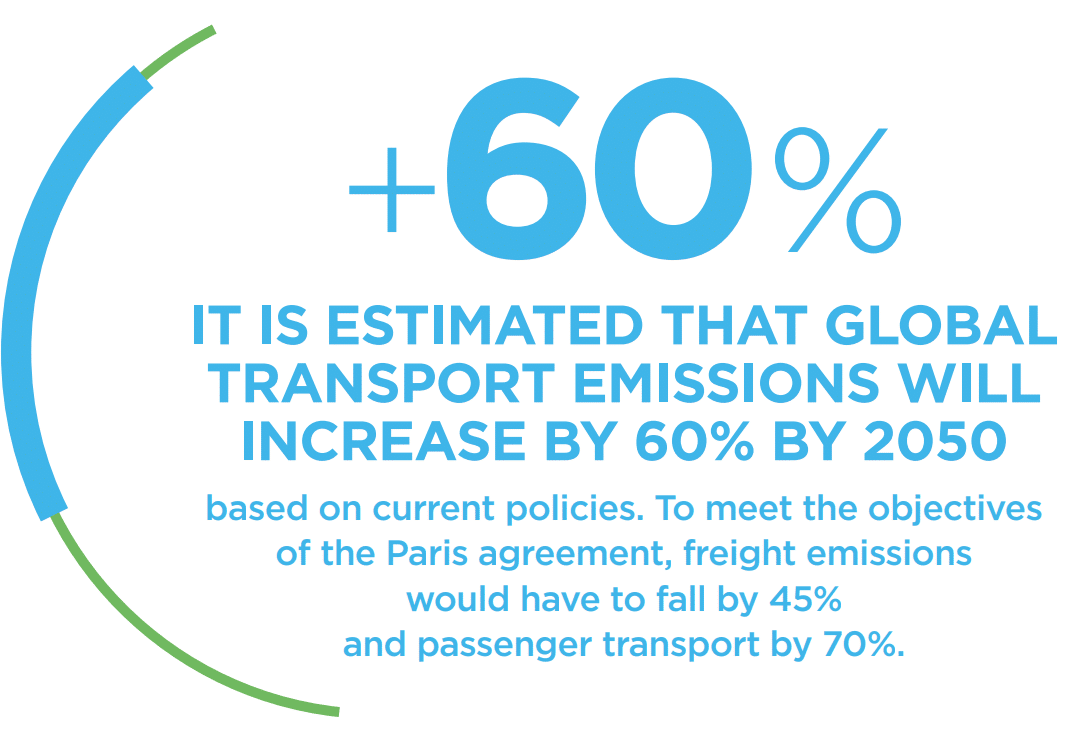
While extensive global technological e fforts have been made, it is the demand factor that holds the greatest potential for reducing mobility emissions.
Despite mid-20th-century progress in transport speed,
the average daily travel time, around one hour, has not decreased. Instead, distances traveled and journey speeds have increased proportionally, resulting in higher CO2 emissions.
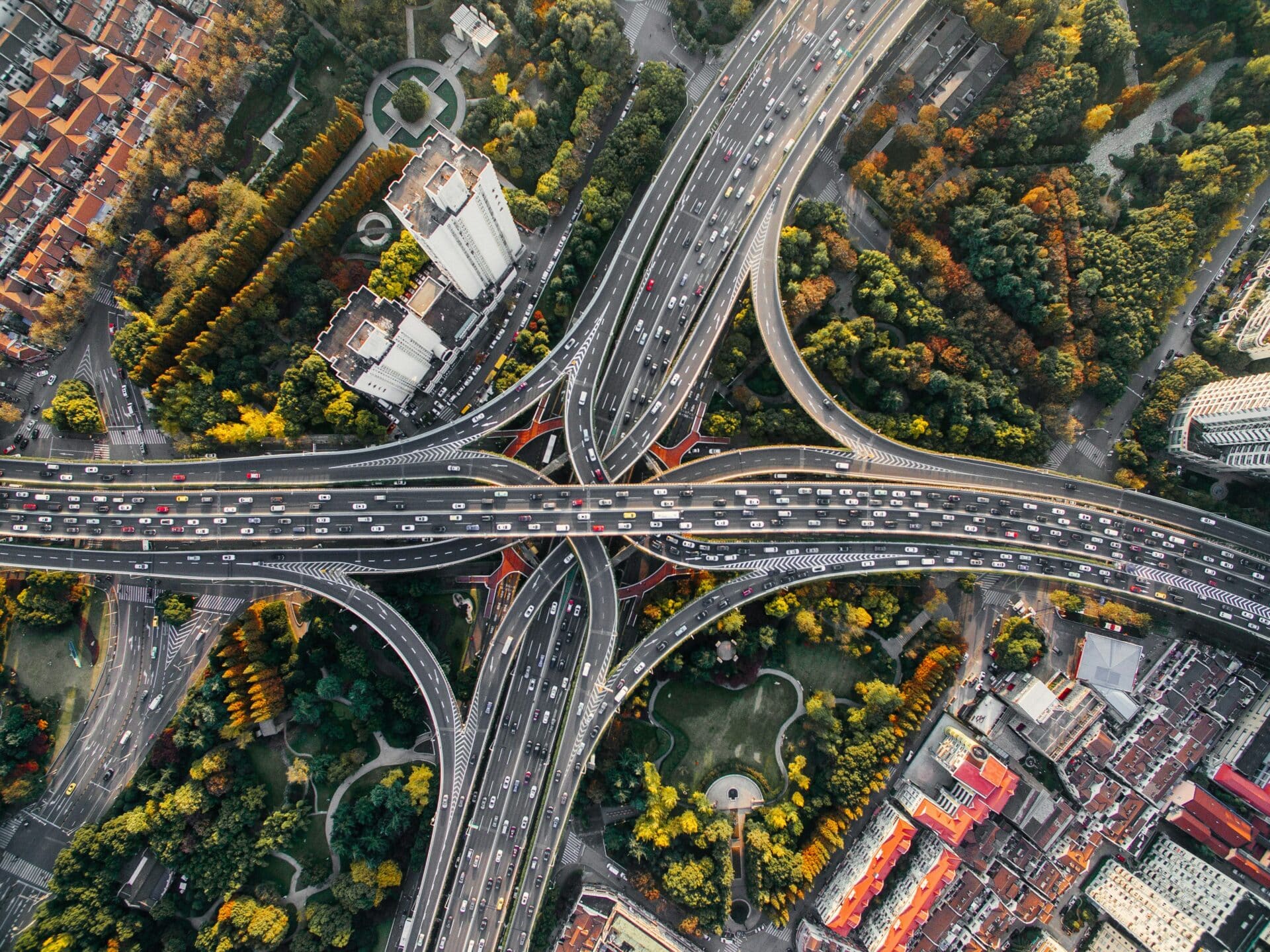
To reduce transport demand, we need to reconsider our travel habits, trip frequency, speed preferences, and move beyond societies reliant on cars or airplanes. This transition also entails adopting localized sourcing practices.
Sufficiency policies have the potential to cut energy consumption by approximately 50% compared to current trends.
These policies may take various forms, such as dimensional (reducing vehicle weight), collaborative (carsharing), organizational (land use planning, remote work), or usage-related (speed reduction).
Did you know?
It is estimated that CO2 emissions in French suburban areas could fall by 21% to 60% by 2026 with the development
of cycling and car-sharing.
Did you know?
According to ADEME, trains are 8 times less polluting than combustion-powered cars and 14 times less polluting than planes, per person and per kilometer.
RETHINKING INFRASTRUCTURE AND PRACTICES

Promoting walking and intermodality, investing in robust cycling infrastructure, and enhancing public transportation are essential steps toward sustainable mobility. In France, 9 out of 10 journeys to and from work are made by car with only one occupant, highlighting also the potential of carpooling.
Furthermore, in non-urban areas, sustainable mobility options are often inaccessible. In France, 55% of citizens do not have access to adequate transportation on a daily basis due to inadequate or nonexistent public transportation options. The development of sustainable mobility infrastructures must also be a priority in developing countries.
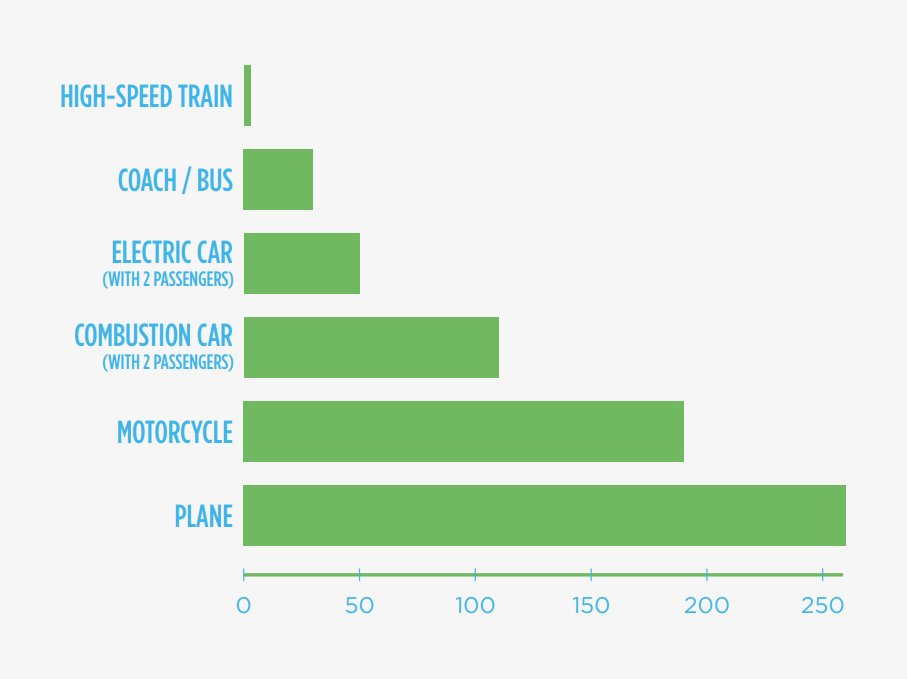
CO2 emissions per passenger, per km travelled
Values expressed in g CO2e emitted per person in France. Includes direct emissions, vehicle construction (manufacture, maintenance and end-of-life) and the production and distribution of fuel and electricity. Infrastructure construction (roads, railways, airports, etc.) is not included.
SWITCHING TO LOW-CARBON MOBILITY
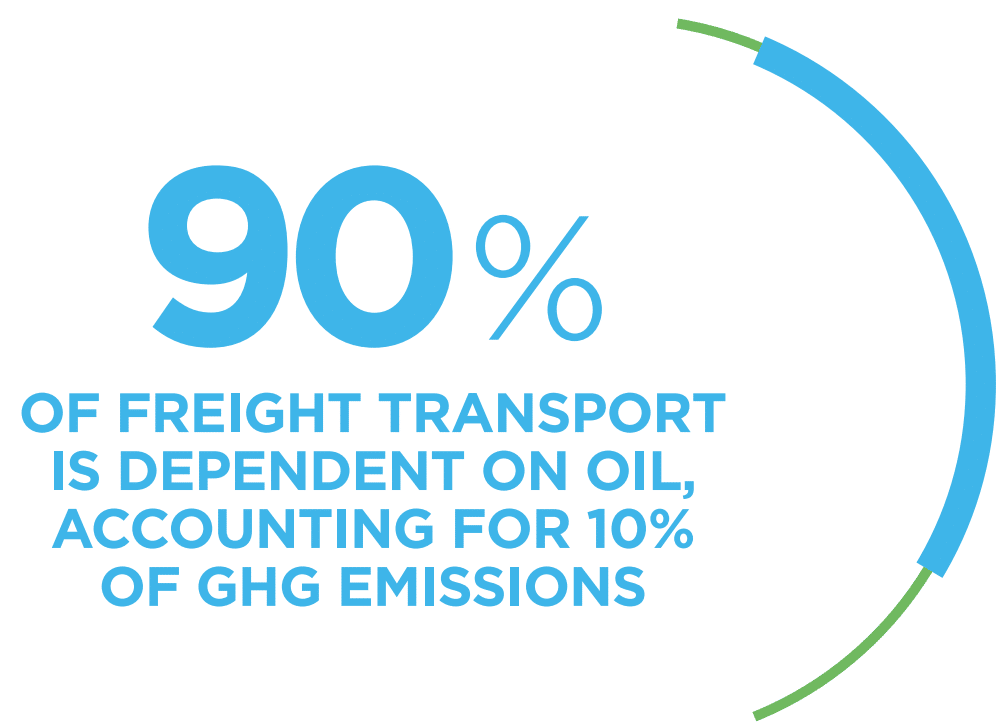
Reducing oil dependency by transitioning to low-carbon energy sources for both passenger and freight transport is crucial. Pollution from fine particles and other atmospheric pollutants poses significant public health risks, contributing to cardiovascular disease, asthma, and cancer, resulting in 48,000 deaths annually in France.
While the electrification of the car fleet holds promise, challenges remain regarding the availability of charging infrastructure and the supply of rare earth metals needed for batteries.
The freight sector also requires transformation, with existing solutions including river and rail transport, optimization of logistics circuits, and promotion of low-carbon modes for the last kilometer.