FASHION
From Runway to Responsibility: The Shift Towards Sustainable Fashion.

How to address the challenges of FASHION?
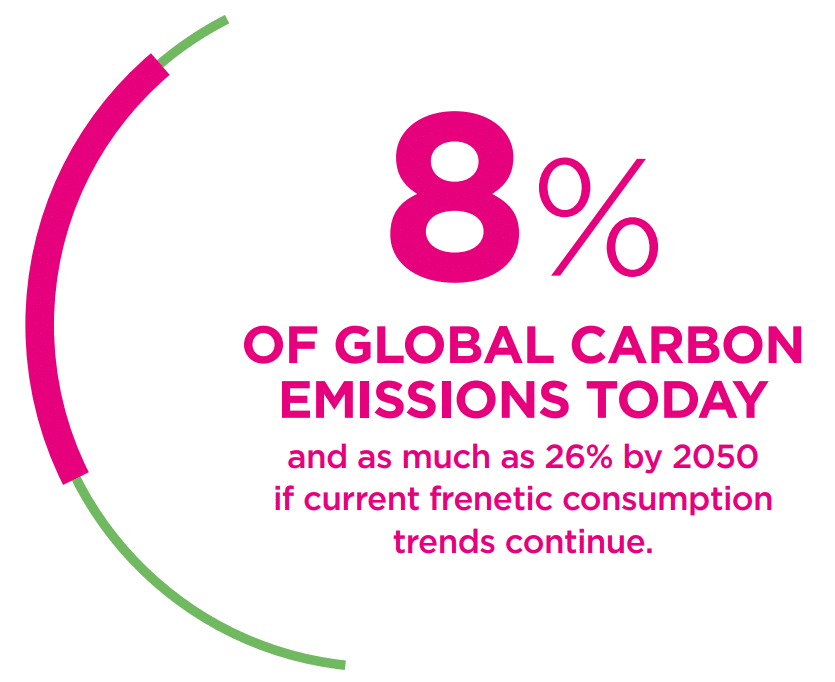
The fast-paced world of fashion is considered one of the most polluting industries. Simultaneously, workers, often in developing nations, contend with low wages and hazardous conditions.
SHIFTING TO A CIRCULAR MODEL
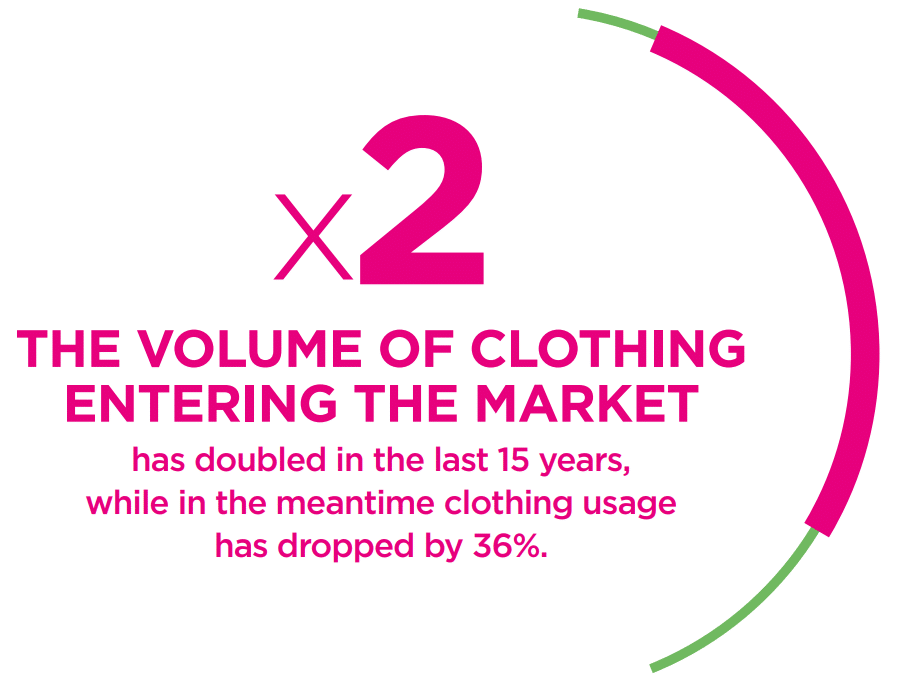
Fashion predominantly follows a linear system: we purchase increasing quantities of clothing that we wear for shorter periods before discarding. The overproduction of clothes has recently been exacerbated by the development of fast fashion.
Circular economy initiatives are being implemented to reduce waste and extend garment lifespan, such as advocating for mindful consumption, eco-design, clothing rental, repairability, and recycling.
Key fact
Approximately 240,000 tonnes of plastic micro-particles are released into the environment annually, equivalent to more than 24 billion plastic bottles. This is partly attributed to synthetic garments, as they release plastic microfibers with each wash.
ADOPTING NEW PRODUCTION METHODS
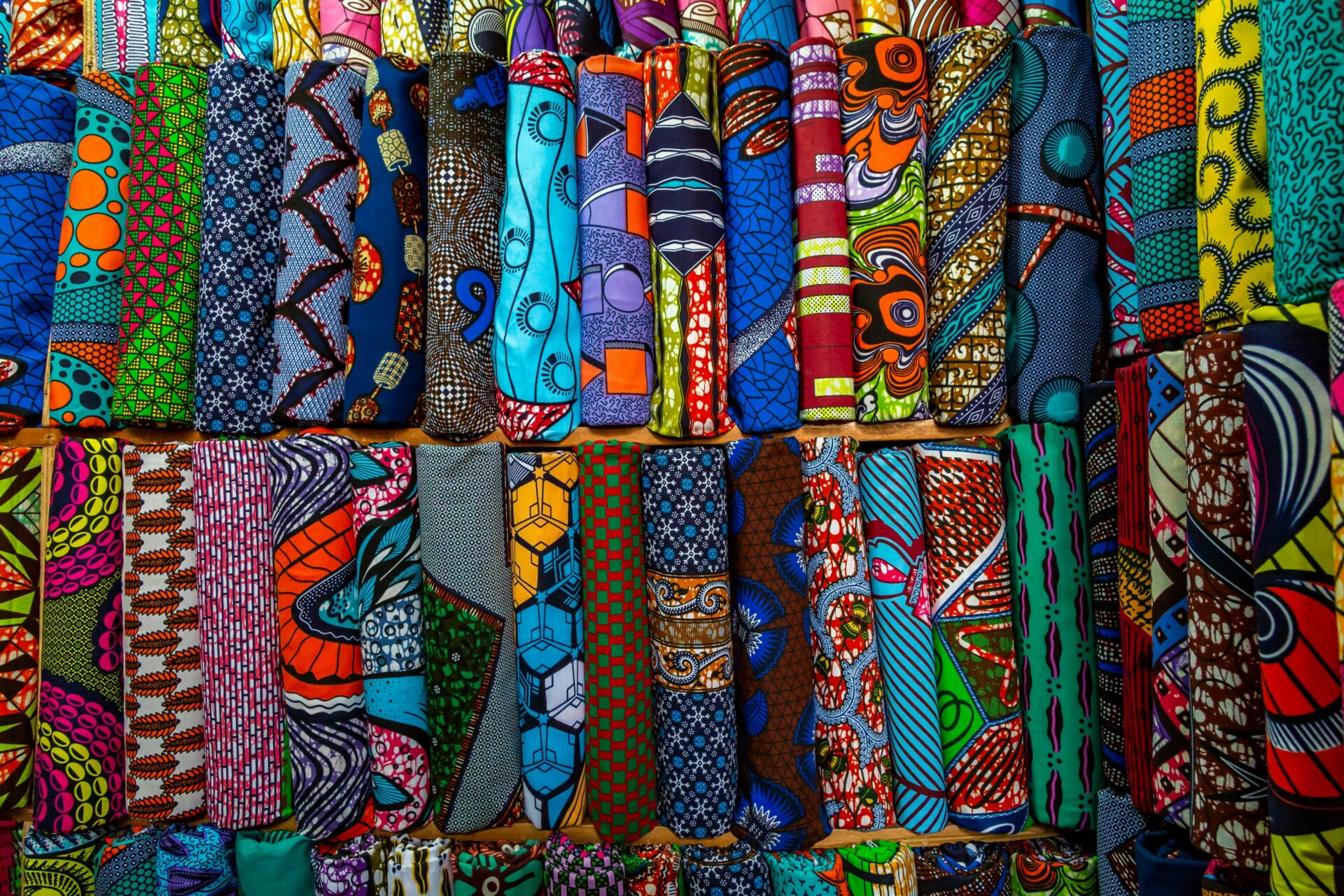
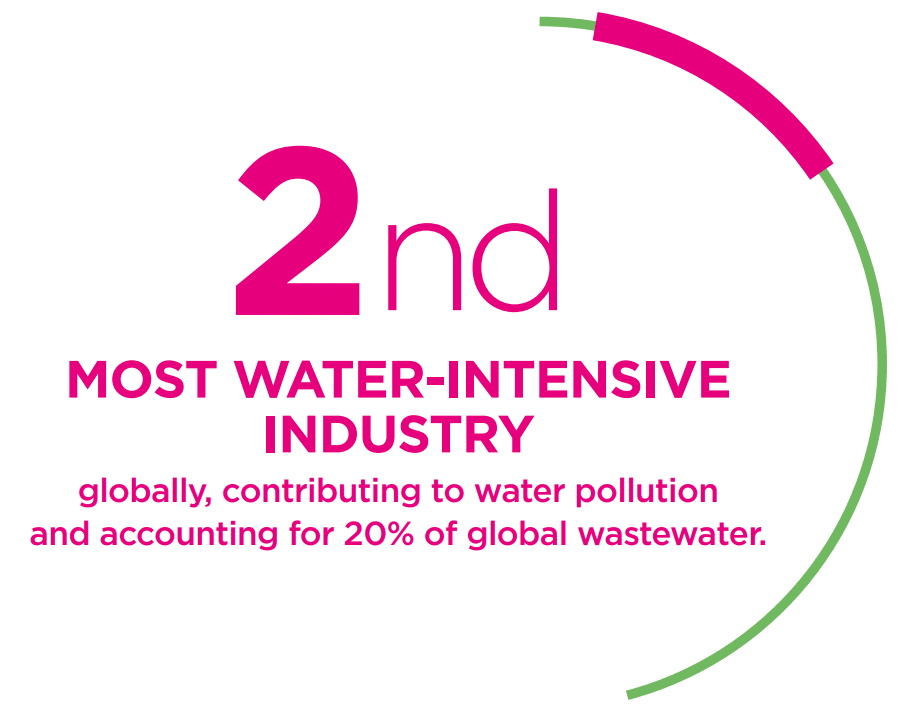
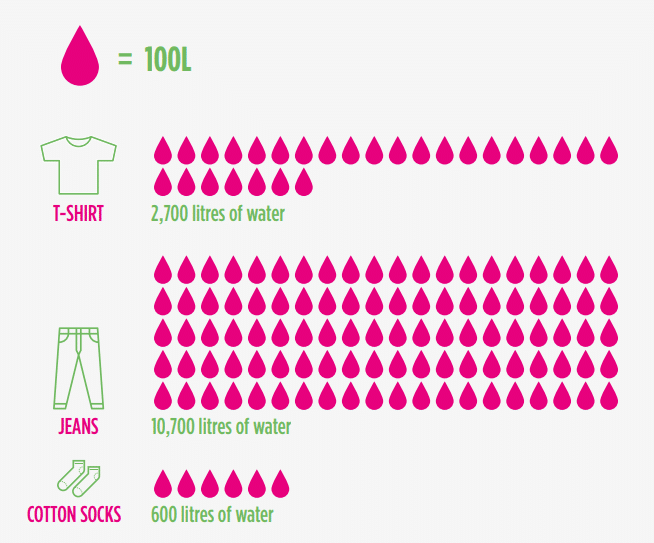
Fashion’s environmental impact can partly be reduced through new production methods, such as eco-friendly materials, less-polluting treatments and less resource-intensive processes especially in terms of water use.
Another method to decrease the carbon footprint of fashion is by relocating certain productions, as studies indicate that garments made in France emit approximately 50% less greenhouse gases than those made in China.
How much water does it take to make our clothes?
ENSURING FAIR WORKING CONDITIONS
Textile industry workers in Southeast Asia often face low wages, with some earning as little as $2 per day, and hazardous conditions due to exposure to toxic substances like silica used in denim dyeing.
Implementing traceability, new ethical standards, and transparent supply chain practices will help brands gain the trust of conscientious consumers.