MENU
CLOSE
Summit
Other events
Publications
About

How to address the challenges of ENERGY?
Energy plays a crucial role in every aspect of our lives, driving industries and advancing progress. However, this ubiquitous force comes at a cost, urging us to seek viable solutions.
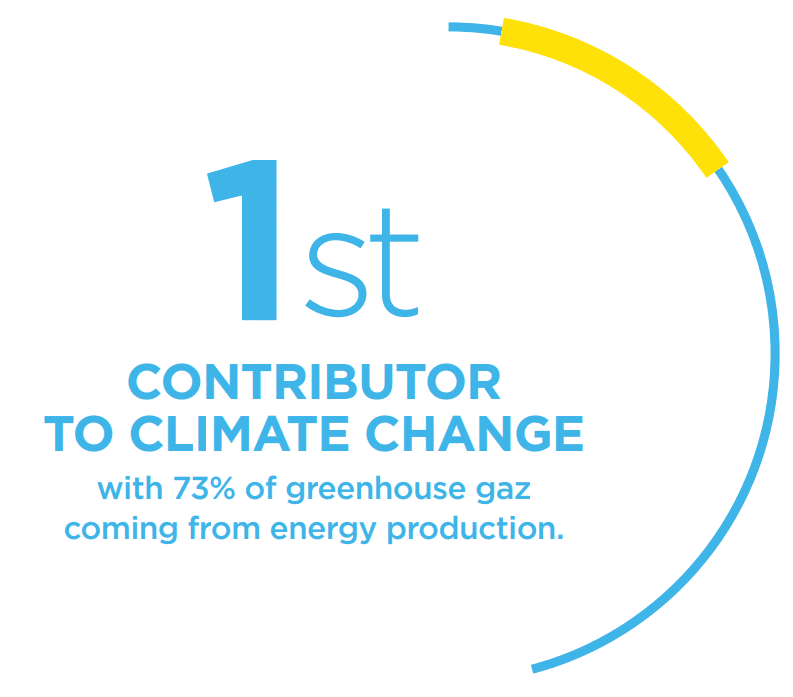
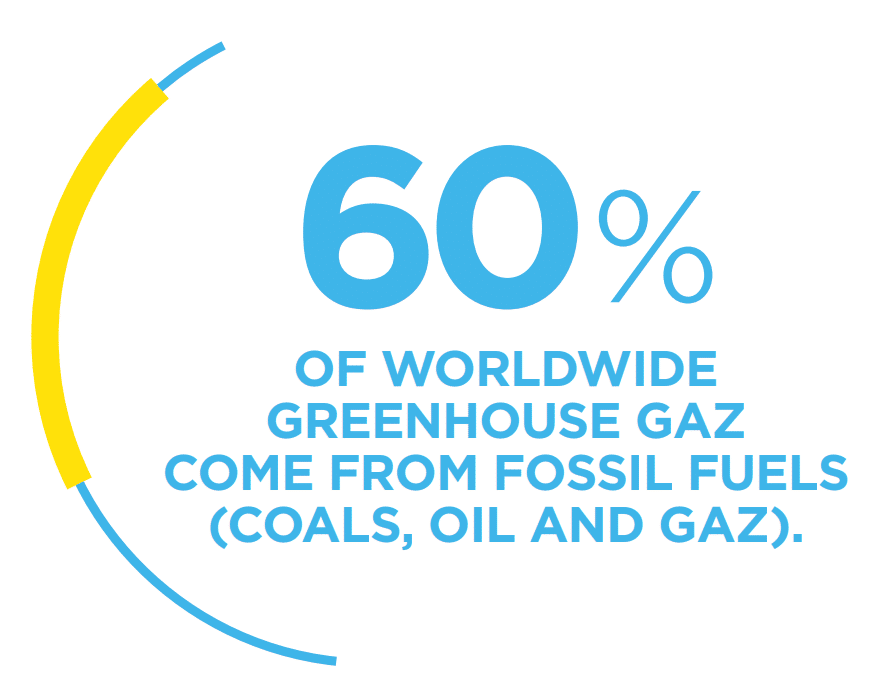
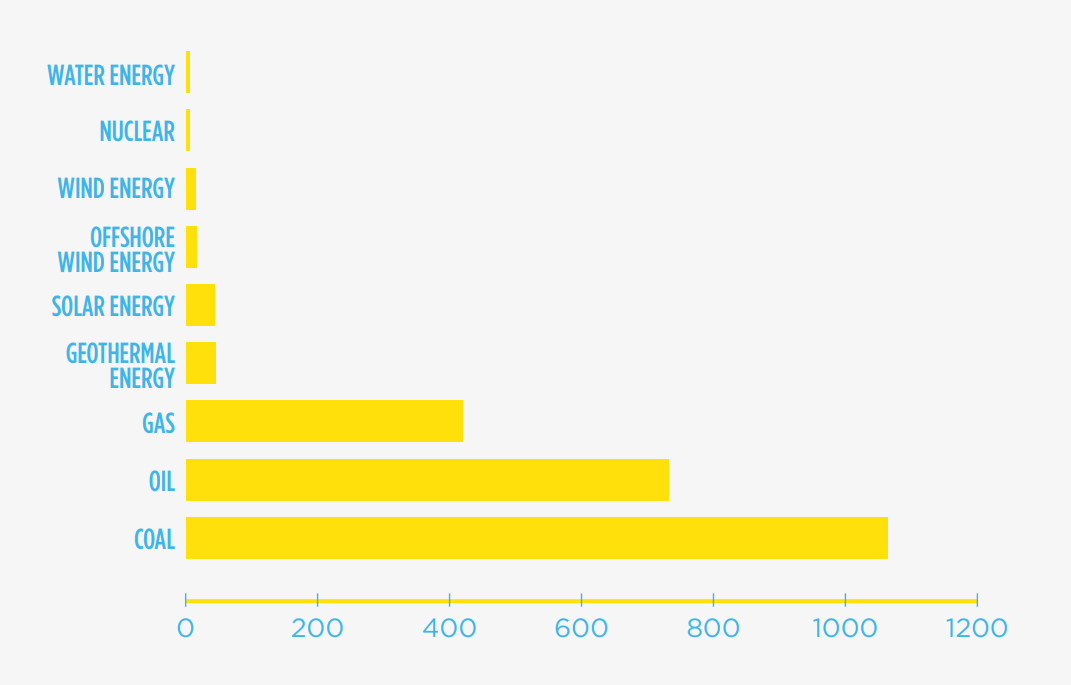
TRANSITIONING AWAY FROM FOSSIL FUELS
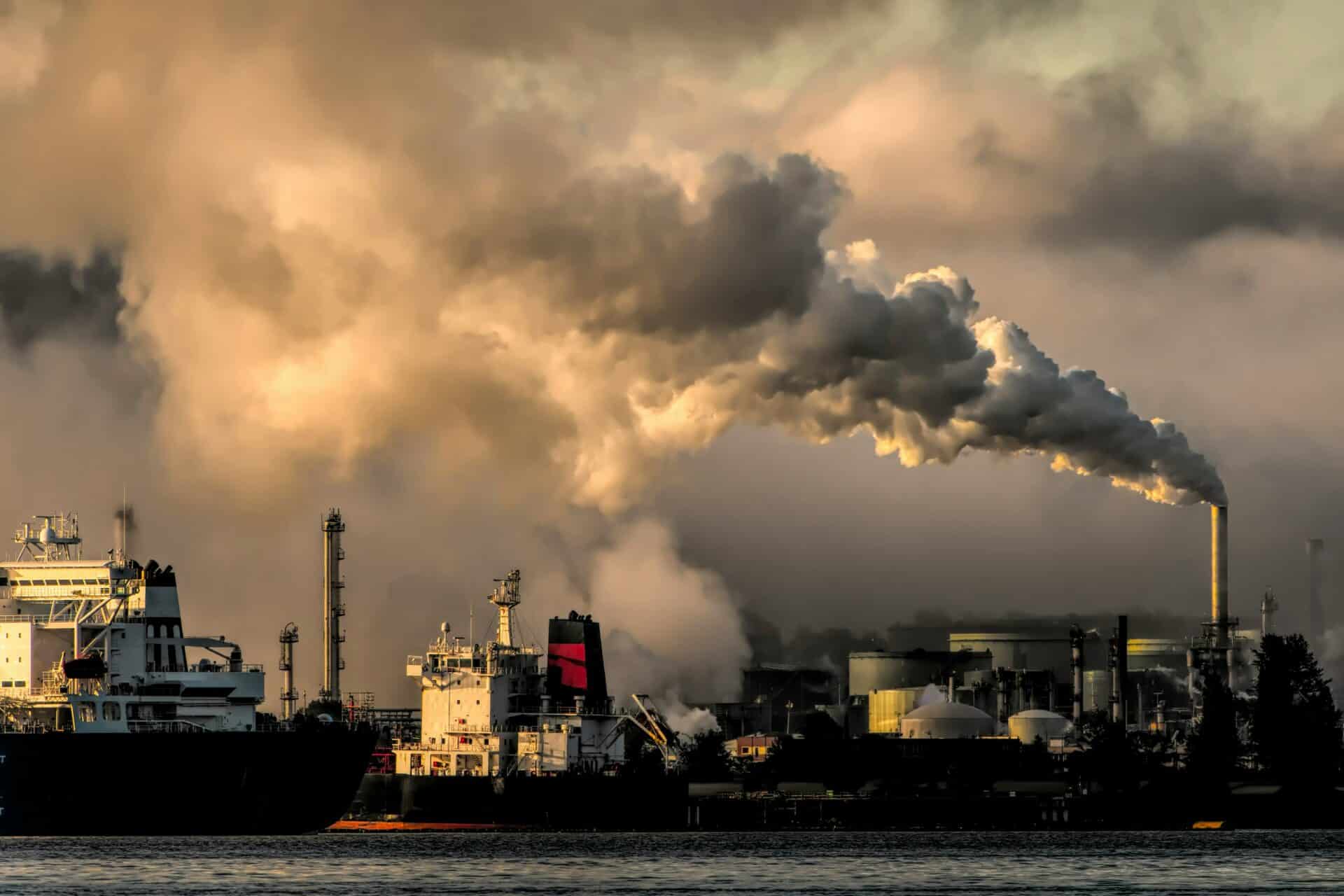
Reducing dependence on fossil fuels is crucial to mitigate
climate change and enhance air quality. Divesting from fossil fuels demonstrates commitment to sustainability, reshaping markets toward cleaner alternatives.
According to the IPCC:
Net zero CO2 energy systems entail:
– a substantial reduction in overall fossil fuel use
– minimal use of unabated fossil fuels
– use of carbon capture and storage in the remaining fossil fuel systems.
OVER 50%
of a building’s energy consumption is due to thermal heating.
Lowering the temperature by just one degree can lead to energy savings of up to 7%!
IMPLEMENTING ENERGY-EFFICIENT CHANGES
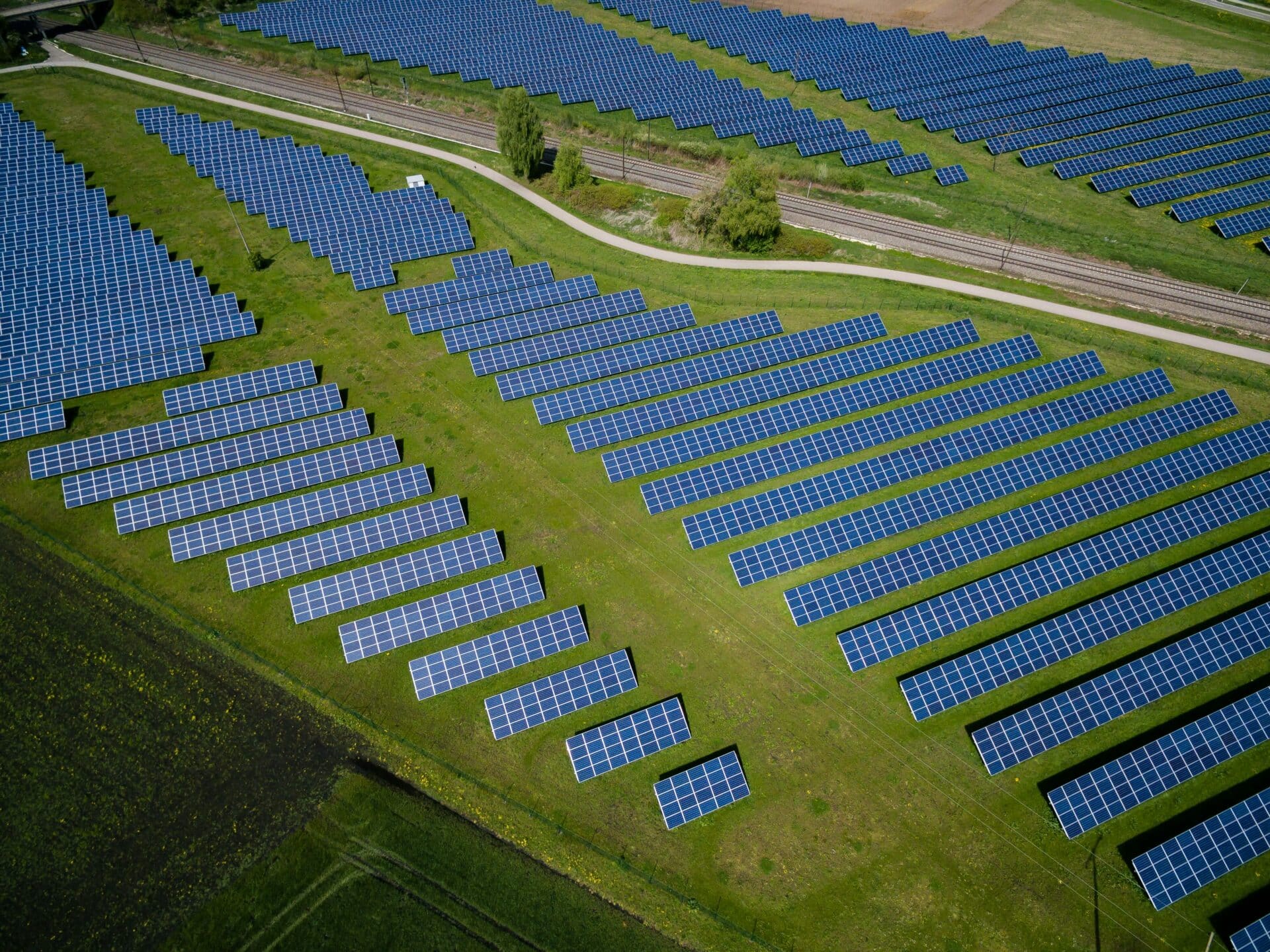
Prioritizing energy efficiency through appliance upgrades, adopting energy-efficient technologies, and promoting electrification helps reduce losses. Technological innovations and smart solutions optimize energy management. Addressing
transportation and industrial efficiency, along with policies promoting energy sufficiency, contributes to a comprehensive approach to reducing overall energy demands.
DEVELOPING LOW-CARBON ENERGIES
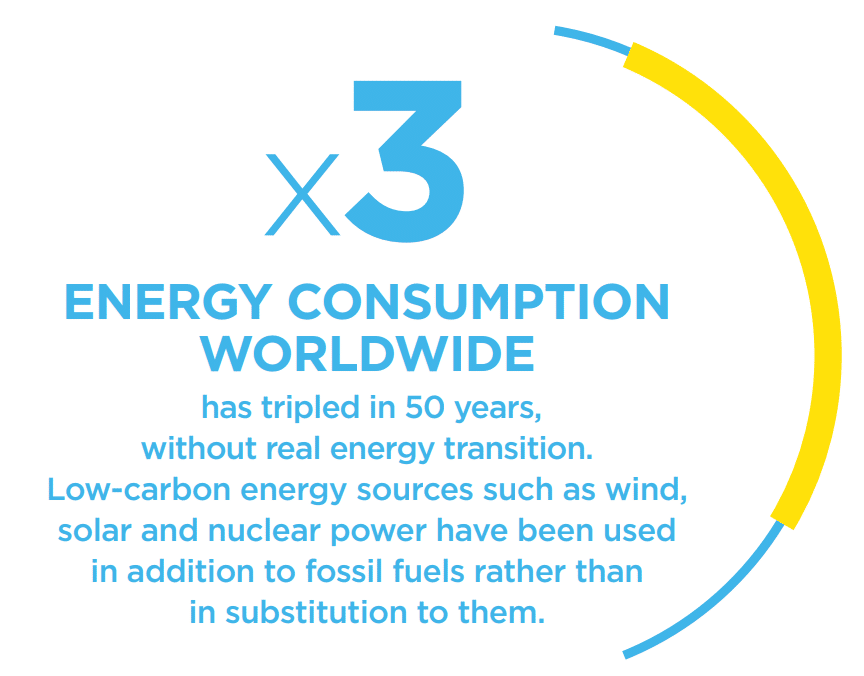
Four major challenges confront low-carbon energy development: grid stability, intermittency, energy storage limitations, and grid integration complexities.
O ff-grid low-carbon energy holds promise for improving energy access in developing countries. Financial incentives and subsidies play a pivotal role in bolstering the appeal of clean energy. Investment is vital for the research, development, and implementation of renewable technologies.